Capabilities

Security and life-safety capabilities

Intercept evaluates, represents, and supports categories of security and life-safety technology that address priority risks across correctional, detention, law-enforcement, and public-safety environments.

Our approach is technology-neutral and operationally focused. We help clients identify the right capability and deployment model for each facility rather than attempting to force one solution across every operating environment.

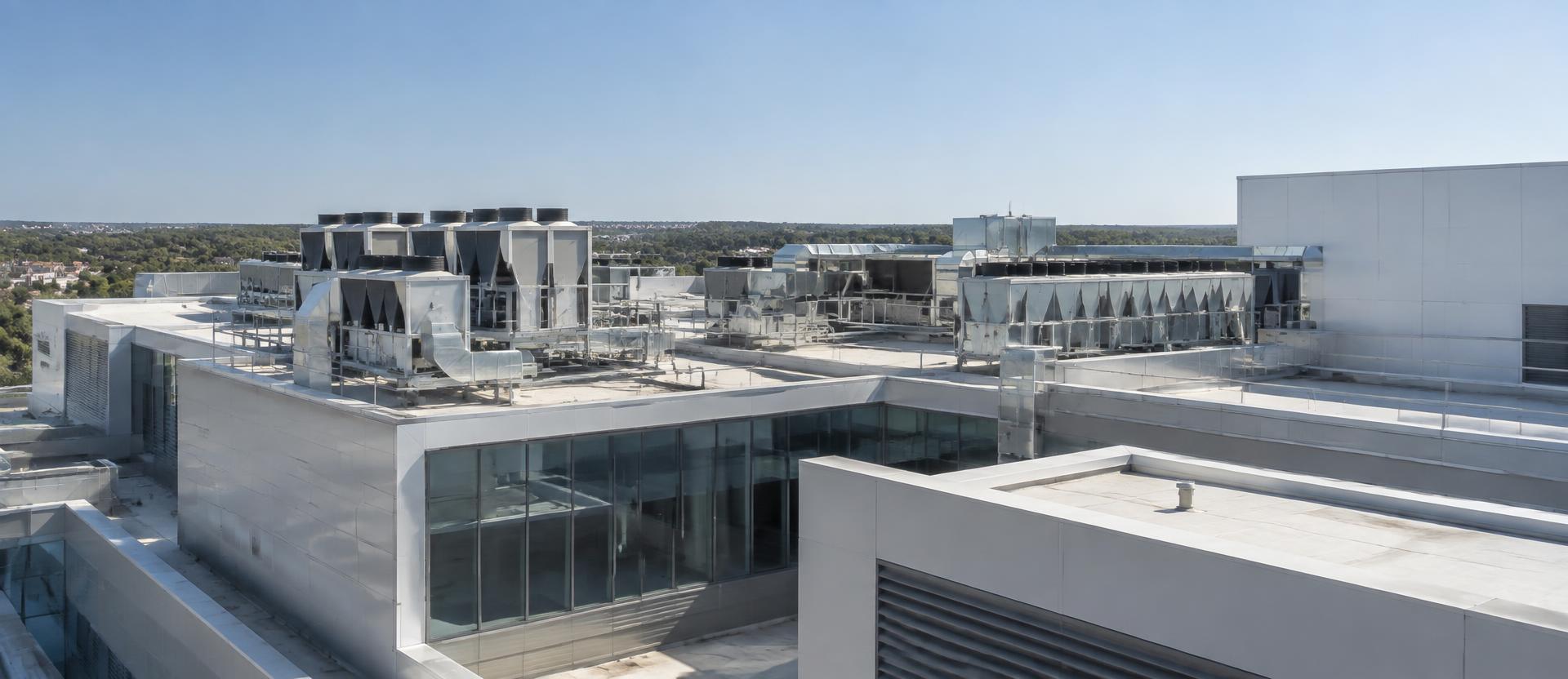
Facility rooftop and open sky above a secure perimeter
Airspace above a secure facility — the fastest-growing delivery route for contraband
Reported drone incidents, Federal Bureau of Prisons

Incidents recorded by the BOP. The OIG notes these figures likely underreport the threat.

  • 2018~38
  • 201957
First BOP drone incident recorded March 2015. The 2018 value is the OIG's reported year-over-year increase of more than 50 percent, shown as an approximation.Source: DOJ Office of the Inspector General — Audit of DOJ Efforts to Protect BOP Facilities Against Threats Posed by Unmanned Aircraft Systems (20-104), 2020
Contraband recovered across BOP facilities, FY2012–FY2014

Items recovered over three fiscal years. Cell phones were the most common contraband type recovered.

  • Cellular devices8,700+
  • Weapons~6,700
Weapons figure derived from the OIG's statement that cell phone recoveries exceeded the next most common type by 2,012 items.Source: DOJ Office of the Inspector General — Review of the Federal Bureau of Prisons' Contraband Interdiction Efforts (16-05), 2016
Layered detection
  1. Airspace01

    Drone detection · RF sensing · Radar · Optical track

  2. Perimeter02

    Fence sensing · Video analytics · Throw-over detection

  3. Entry03

    Person and property screening · Mail · Vehicles · Cargo

  4. Interior04

    Cellular detection · Managed access · Search and recovery

01 / AERIAL

Aerial Awareness and Emergency Response

PATROL · RESPOND · INSPECT

Autonomous aerial systems can support perimeter patrol, emergency response, escape searches, tactical incidents, infrastructure inspection, real-time situational awareness, and large-campus security operations.

  • Operational requirements
  • Deployment planning
  • Policies and training

02 / AIRSPACE

Counter-Drone and Airspace Security

DETECT · IDENTIFY · TRACK · RESPOND

Unauthorized drones present a growing threat to correctional and detention facilities through the delivery of narcotics, cellular devices, weapons, and other contraband. We advise on layered approaches to detecting, identifying, locating, tracking, investigating, and — where legally authorized — mitigating unauthorized drone activity.

  • Site assessments
  • Regulatory analysis
  • Forensic investigation

03 / COMMUNICATIONS

Unauthorized Communications Detection and Control

LOCATE · ANALYZE · CONTROL

Contraband cellular devices allow incarcerated individuals to coordinate criminal activity, threaten witnesses and victims, facilitate escapes, introduce contraband, and compromise institutional security. Intercept supports fixed and mobile approaches involving cellular detection, device location, communications intelligence, managed access, and legally authorized interdiction.

  • Cellular detection
  • Managed access
  • Authorized interdiction

04 / CONTRABAND

Drug and Contraband Detection

SCREEN · DETECT · INTERDICT

Correctional agencies face increasingly sophisticated methods of introducing narcotics, weapons, electronic devices, and other prohibited materials into secure facilities — through employees and contractors, visitors, mail and packages, personal property, vehicles and deliveries, and facility access points.

  • Threat assessments
  • Test protocols
  • Workflow development

05 / SCREENING

Persons, Property, and Cargo Screening

INTAKE · SCREEN · CLEAR

Nonintrusive screening technology can strengthen security while improving throughput and reducing dependence on manual searches — at intake areas, employee and visitor entrances, property rooms, loading docks, mailrooms, and vehicle entrances.

  • System requirements
  • Staffing models
  • Operational integration

06 / USE OF FORCE

Less-Than-Lethal and Staff-Safety Technology

DETER · CONTROL · ACCOUNT

Correctional and law-enforcement personnel need safe, accountable, and effective options for managing threats, gaining compliance, responding to disturbances, and reducing reliance on higher levels of force — in housing units, recreation areas, perimeter security, transportation, and tactical response.

  • Use-of-force policy
  • Safety validation
  • Pilot programs

07 / LIFE SAFETY

Fire, Smoke, and Hazardous-Air Protection

DETECT · PROTECT · EVACUATE

Facilities require immediately available protection for fires, smoke events, hazardous-air emergencies, chemical exposure, riot-control agents, fentanyl, and other airborne threats. These capabilities complement existing self-contained breathing apparatus and emergency-response programs.

  • Housing units
  • Control centers
  • Emergency-response teams

08 / INFRASTRUCTURE

Communications, Video, and Physical-Security Modernization

ASSESS · INTEGRATE · SUSTAIN

Modern security technologies depend on reliable communications, video, power, cabling, data, and network infrastructure. Our work addresses the complete operational environment rather than treating equipment as a stand-alone purchase.

  • Land-mobile radio
  • Body-worn cameras
  • Access control and analytics
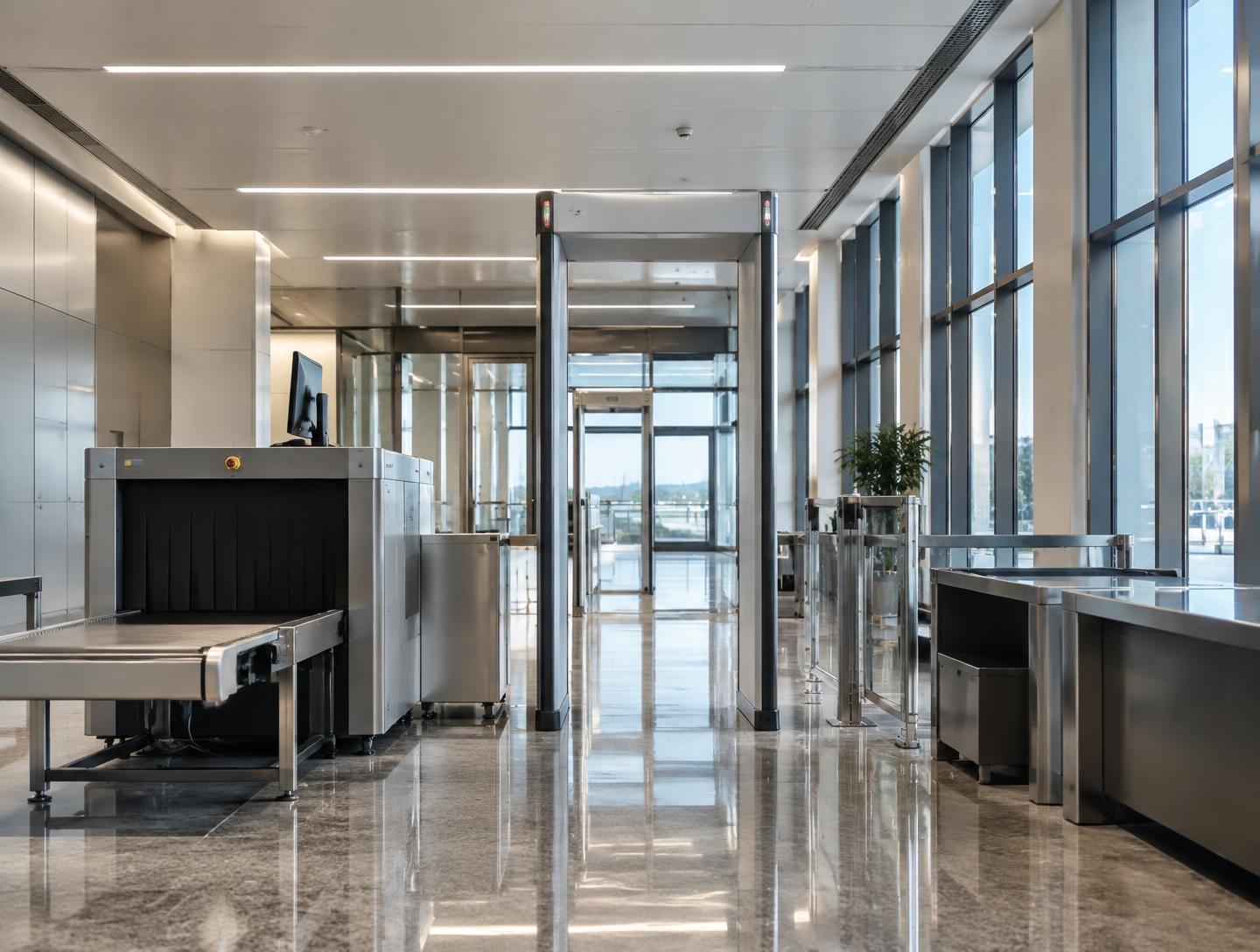
Empty screening corridor inside a secure facility
Entry screening corridor
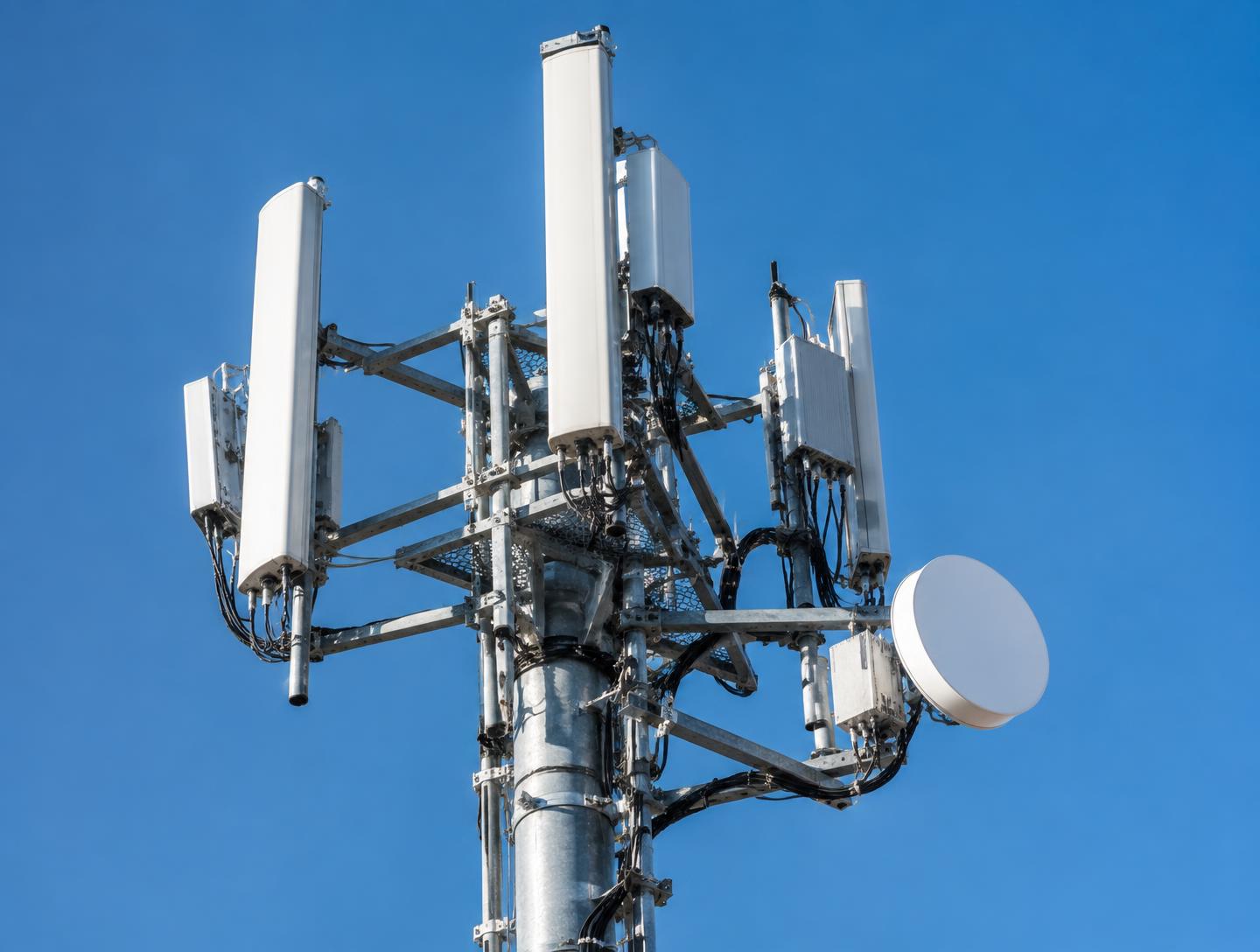
Communications mast and security infrastructure against an overcast sky
Communications and video infrastructure
Interdiction points named in federal contraband reviews
  • 01Visitors
  • 02Staff and contractors
  • 03Mail and packages
  • 04Receiving and discharge
  • 05Warehouse and deliveries
  • 06Rear gate and vehicle entry
  • 07Volunteers
  • 08Airspace and perimeter
No federal audit publishes a percentage split across these pathways. They are listed as the points agencies are expected to control, not ranked by volume.Source: DOJ Office of the Inspector General — Review of the Federal Bureau of Prisons' Contraband Interdiction Efforts (16-05), 2016
Counter-UAS engagement sequence
  1. DETECT01
  2. IDENTIFY02
  3. LOCATE03
  4. TRACK04
  5. INVESTIGATE05
  6. MITIGATE06

Mitigation is available only where federal law authorizes it. Intercept helps agencies establish which steps of the sequence they may lawfully perform, and what the evidence, investigation, and reporting requirements are for each.

Counter-UAS authority by operator
OperatorDetectIdentifyLocateTrackInvestigateMitigate
Designated federal departmentsPermittedPermittedPermittedPermittedPermittedLimited
State and local correctionsLimitedLimitedLimitedLimitedPermittedNot permitted
Private operatorsLimitedLimitedNot permittedNot permittedLimitedNot permitted

● permitted · ◐ limited or conditional · — not authorized

General orientation only, not legal advice. Detection methods may still implicate federal communications and surveillance statutes; mitigation authority is limited to designated federal departments.Source: U.S. Government Accountability Office — Science & Tech Spotlight: Counter-Drone Technologies (GAO-22-105705), 2022

Bring the operational requirement. We will help build the path forward.

CallRequest a Briefing