Capabilities / 02 · AIRSPACE
Counter-Drone and Airspace Security
Detecting, identifying, locating, tracking, investigating and — where lawfully authorized — mitigating unauthorized drone activity over secure facilities.
The operational problem
Unauthorized drones deliver narcotics, cellular devices, weapons, and other contraband directly across a secure perimeter, bypassing every entrance control an agency has built. The Department of Justice Office of the Inspector General reported that the Bureau of Prisons recorded its first drone incident in March 2015 and that reported incidents rose by more than 50 percent between 2018 and 2019, reaching 57 in 2019 — figures the OIG itself noted are likely to understate the threat, because an incident is only recorded when it is observed.
Detection is only the first step, and it is the step most agencies can lawfully take. Identification, location of the operator, tracking, and investigation follow. Mitigation — interfering with an aircraft in flight — is restricted under federal law to a narrow set of designated federal departments and is not available to most state, local, or private operators.
A workable program therefore begins with a legal question, not a procurement question: which steps of the sequence may this agency lawfully perform, and what evidentiary and reporting value can it extract from the steps it is permitted to take?
- DETECT
- IDENTIFY
- LOCATE
- TRACK
- INVESTIGATE
- MITIGATE
What has to be decided before equipment
Legal authority
Counter-UAS mitigation authority under 6 U.S.C. § 124n and 10 U.S.C. § 130i is limited to designated federal agencies and covered facilities. Detection and tracking equipment may also implicate federal communications and surveillance statutes.
Sensor mix
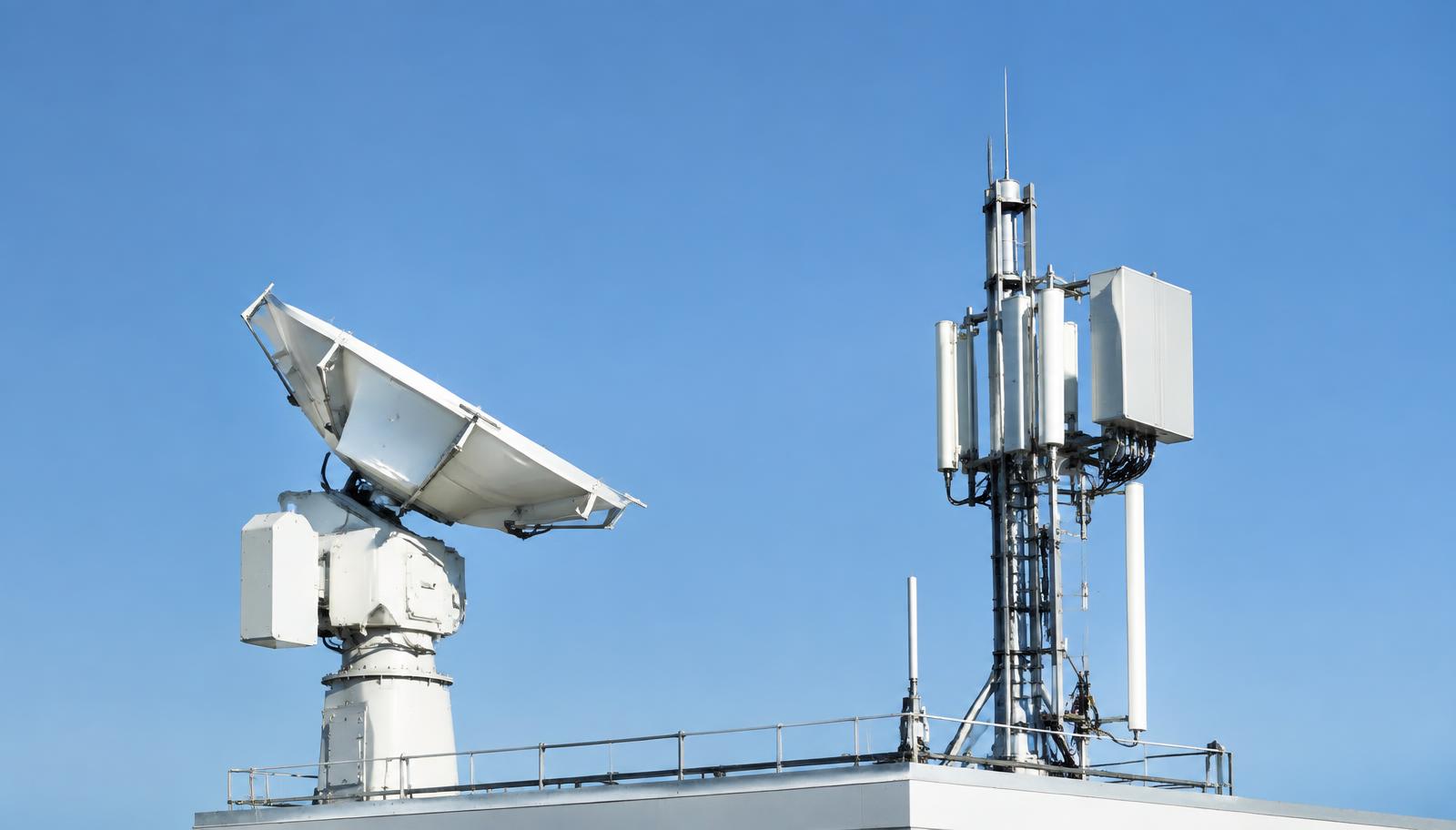
Radio-frequency detection, radar, acoustic sensors, and electro-optical tracking each perform differently against different aircraft, in different terrain, and against autonomous flights carrying no control link.
RF environment
Urban clutter, nearby transmitters, terrain masking, and facility structures materially change achievable detection range from vendor-stated figures.
Investigative value
Flight logs, operator location, recovered payloads, and time-correlated video can support prosecution even where mitigation is unavailable.
Response procedure
An alert with no defined response is noise. Post assignments, lockdown criteria, yard recall, and search protocols convert a detection into an interdiction.
Intercept is not a law firm and does not provide legal advice. Counter-UAS authority determinations must be made by agency counsel.
Other capability areas