Capabilities / 08 · INFRASTRUCTURE
Communications, Video, and Physical-Security Modernization
Land-mobile radio, body-worn cameras, video surveillance, access control, network, cabling, and power — treated as one operating environment.
The operational problem
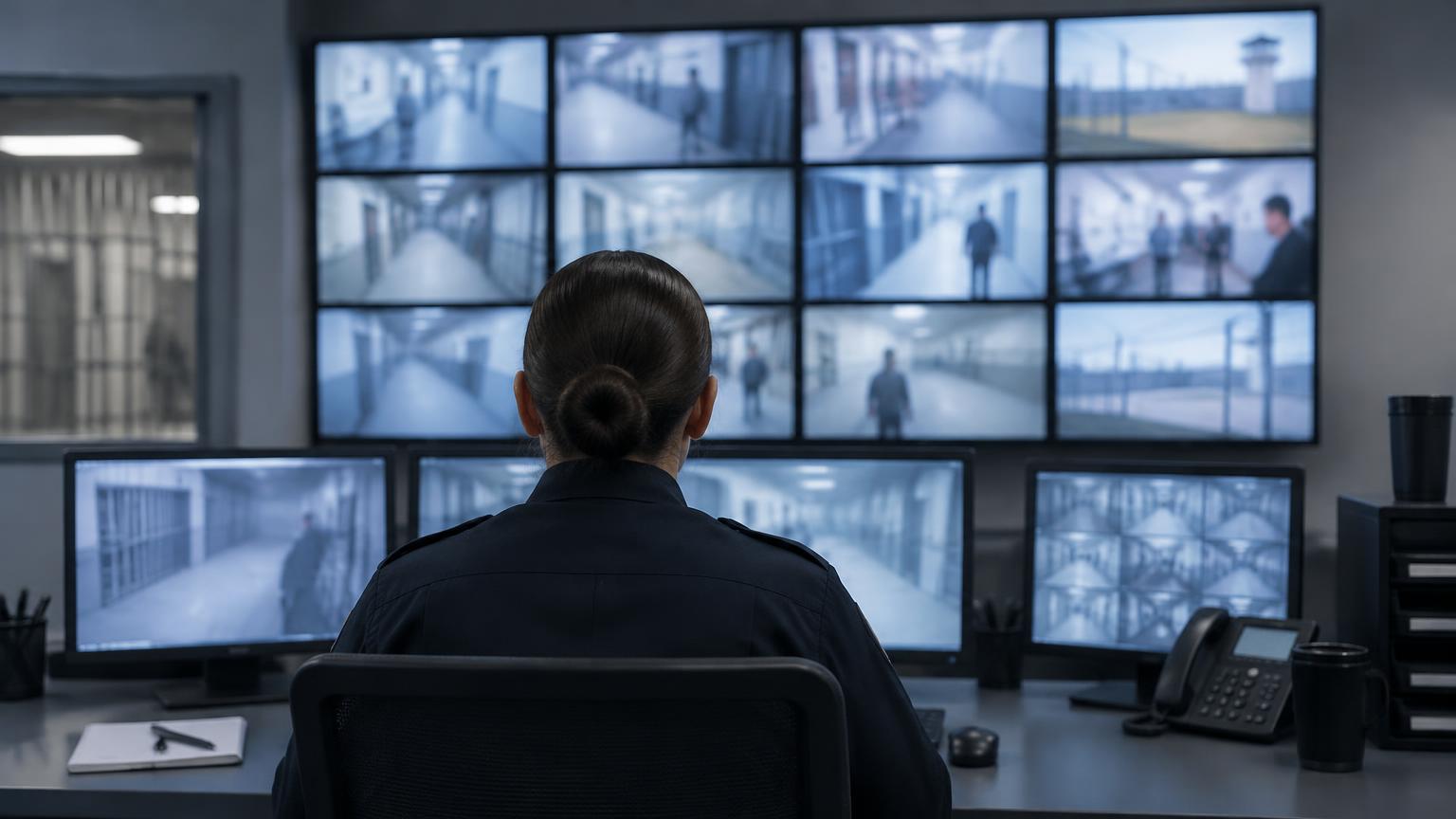
Security technology fails most often at the infrastructure layer: radio coverage that drops inside a housing unit, a camera system without the storage or bandwidth to retain usable evidence, an access-control head end running unsupported software, or cabling and power that were never sized for what was later added to them.
Modernization programs also carry a records burden. Body-worn camera and video systems generate evidence subject to retention schedules, disclosure obligations, and redaction workload that is routinely underestimated in the business case.
The right sequence is assessment first: what exists, what is supported, what it can carry, and what must be replaced before any new capability is layered on top.
- ASSESS
- DESIGN
- INTEGRATE
- MIGRATE
- SUSTAIN
What has to be decided before equipment
Radio coverage and standards
In-building coverage, P25 interoperability, encryption, and talkgroup design determine whether staff can communicate during an incident.
Video retention economics
Camera count, resolution, frame rate, and retention period drive storage and network cost far more than camera price.
Evidence and disclosure
Retention schedules, export workflow, redaction staffing, and audit logging need to be planned alongside the hardware.
Cyber and lifecycle
Supported software versions, network segmentation, patching responsibility, and end-of-life planning belong in the requirement, not the warranty discussion.
Power, cabling, and pathways
Backup power, conduit capacity, and pathway access frequently set the real schedule and cost of a modernization program.
Technology options Intercept evaluates
Conntour
Natural-language video search and configurable alerts for compatible cameras: operators describe an event or object and review matching footage.
What to verify: Test correctional scenarios, video-management integration, and data controls, with staff confirming results before action.
Shawntech Communications
Installation and maintenance of correctional phones, tablet networks, kiosks, and video visitation infrastructure, with technical support and on-site administration.
What to verify: Improve reliability of existing communications and secure wireless networks through a defined maintenance and support plan.
Tidal Wave Telecom
SecureVRS and OneTRS relay communications for deaf and hard-of-hearing users in correctional settings.
What to verify: Verify required relay services, tablet or terminal integration, and protection of privileged communications.
Axon
Axon Body cameras, Fusus, and Axon Evidence for incident capture, real-time video access, and evidence management.
What to verify: A pilot can measure time to retrieve a complete incident record and verify the evidence audit trail.
Other capability areas