
Capabilities / 06 · USE OF FORCE
Less-Than-Lethal and Staff-Safety Technology
Accountable options for gaining compliance, managing disturbances, and reducing reliance on higher levels of force.
The operational problem
Staff need graduated options between verbal direction and lethal force — for cell extractions, assaults in progress, group disturbances, transport incidents, and self-harm interventions. The technology is only one element; the policy, training, medical response, and review process determine whether it reduces injury or increases liability.
Every device introduced into a facility also becomes a potential contraband and control risk, and every deployment becomes a reviewable event requiring documentation, medical assessment, and supervisory review.
Selection should follow the agency's use-of-force continuum and its incident profile, not a product demonstration.
- POLICY
- SELECT
- TRAIN
- DEPLOY
- REVIEW
What has to be decided before equipment
Use-of-force policy alignment
Each option must map to a defined place on the continuum with clear authorization levels and prohibited applications.
Medical protocol
Post-deployment medical assessment, documentation, and exposure care must be defined before fielding.
Training and recertification
Initial certification, scenario training, recertification intervals, and instructor capacity determine real-world performance.
Accountability and review
Device logs, video correlation, reporting requirements, and after-action review make outcomes defensible.
Storage and control
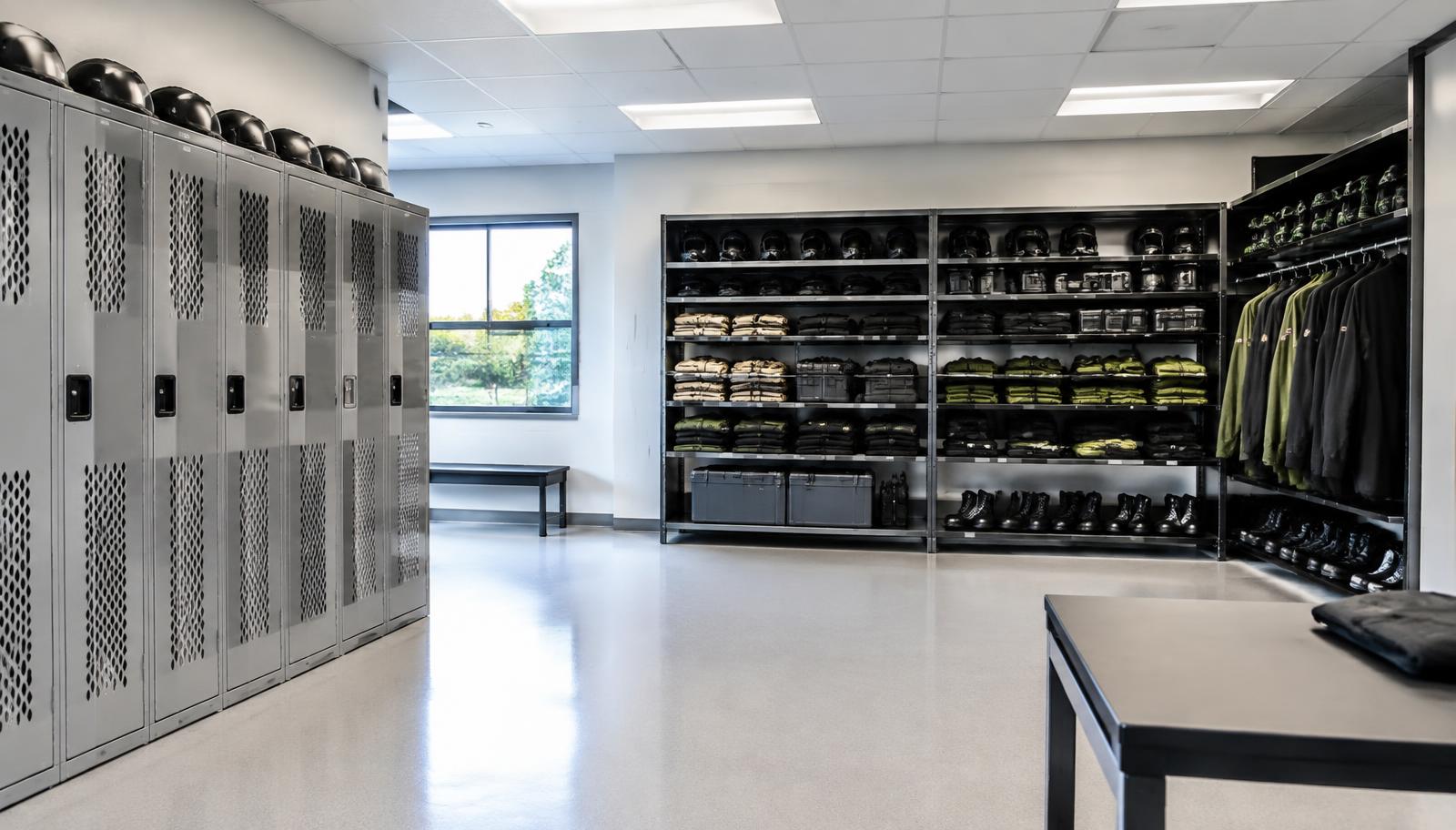
Secure storage, issue and return accountability, and inspection cycles prevent devices from becoming a contraband source.
Other capability areas